 +732-826-3880
DELIVERABLE IN FIRE AND SMOKE SIMULATIONS
- 3D Smoke density profiles
- 2D Soot Visibility Profiles
- 2D Temperature and Velocity Profiles
- 2D Vector Profiles
- Analysis of the Spread of Fire and Smoke Pathways
- Optimum Jet fan locations
- COx concentration analysis
- Civil defense submission format reports
Computational Fluid Dynamics
Experience Excellence in Computational Fluid Dynamics (CFD) Simulation Services. Validate your design prior to procurement and installation with our comprehensive CFD solutions. Our method begins with a meticulous examination of the underlying physics, ensuring a tailored approach to each challenge. Committed to precision and dependability, we validate our results through rigorous benchmarking against established analytical and experimental data.
FIRE, HEAT AND SMOKE SIMULATION
Ensuring the safety and compliance of occupants within designed facilities stands as our paramount objective. Our specialized simulation services provide detailed insight into fire dynamics and smoke propagation, empowering architects and engineers to design effective management systems for a spectrum of environments including residential & commercial buildings, malls, hospitals, subways, tunnels, and various other facilities. Through simulation and by considering a multitude of fire scenarios, we meticulously assess the efficacy of smoke extraction and ventilation systems, ensuring optimal performance and safety standards to meet the local & international regulations and standards (NFPA).
Our area of expertise includes:
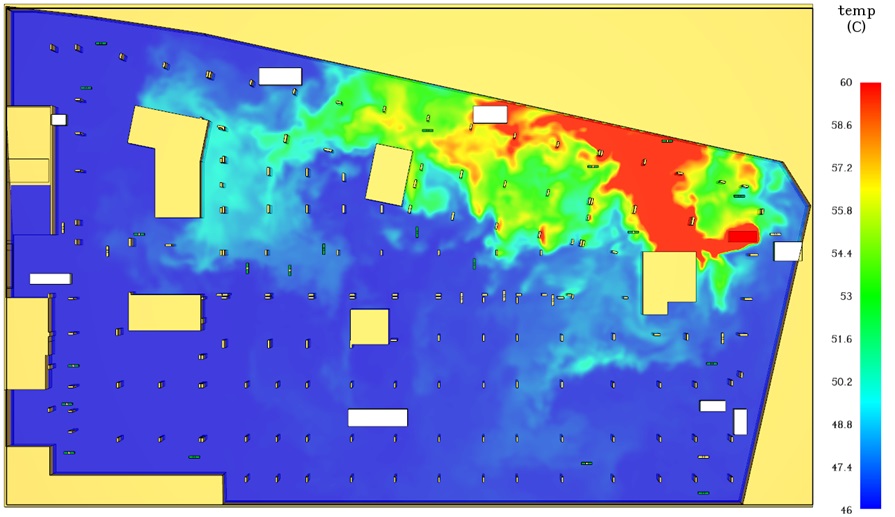
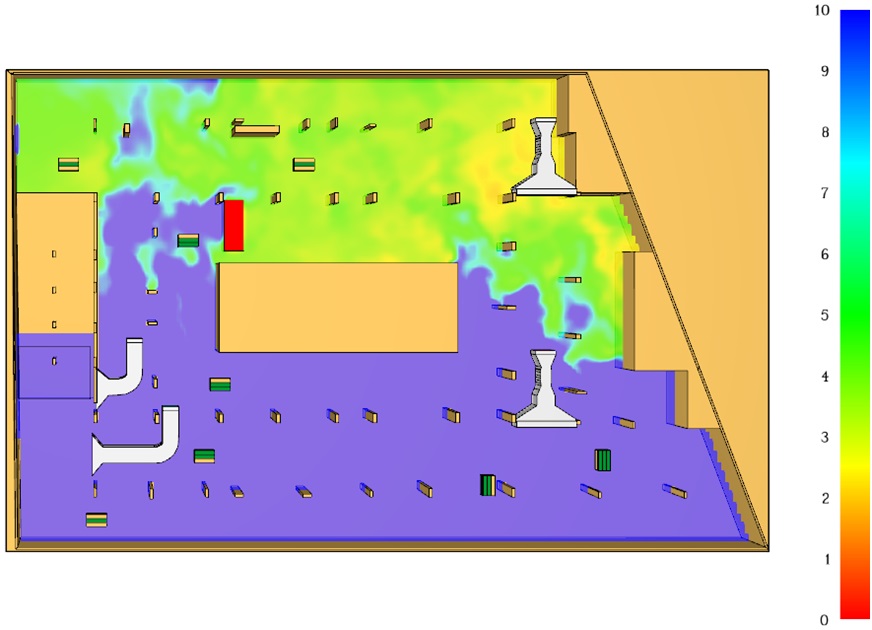
- Car Parks Fire & Smoke Ventilation Simulation
We specialize in simulating smoke and fire propagation within car parks to ensure the safety of occupants and compliance with regulations. The simulation helps to optimize the jet fan locations and the verify the exhaust fan supply air quality.
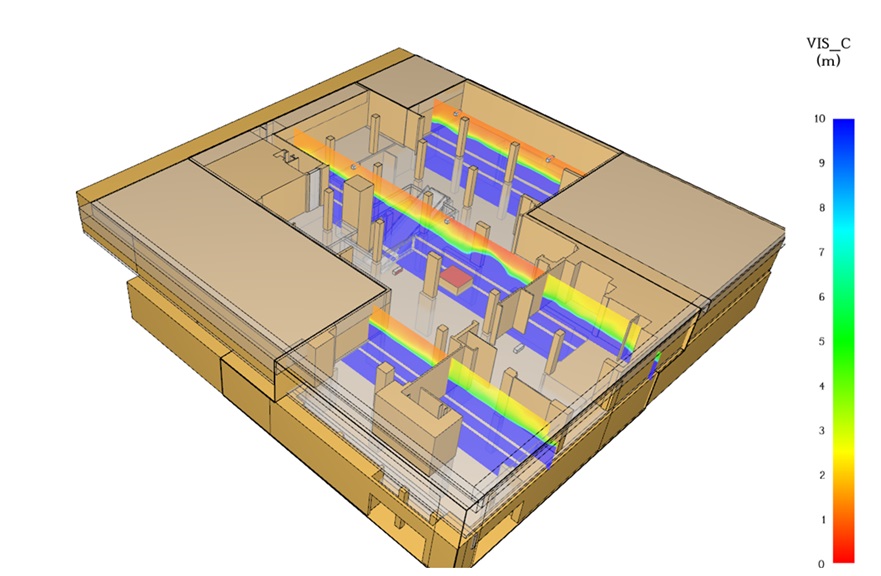
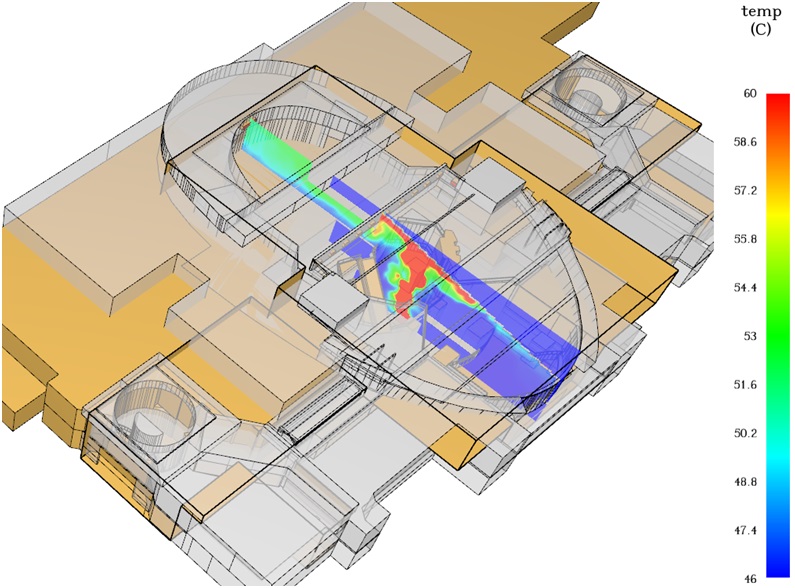
- Atrium Fire & Smoke Ventilation Simulation
Enhance safety in atriums with simulations designing effective smoke management systems to manage fire and smoke propagation.
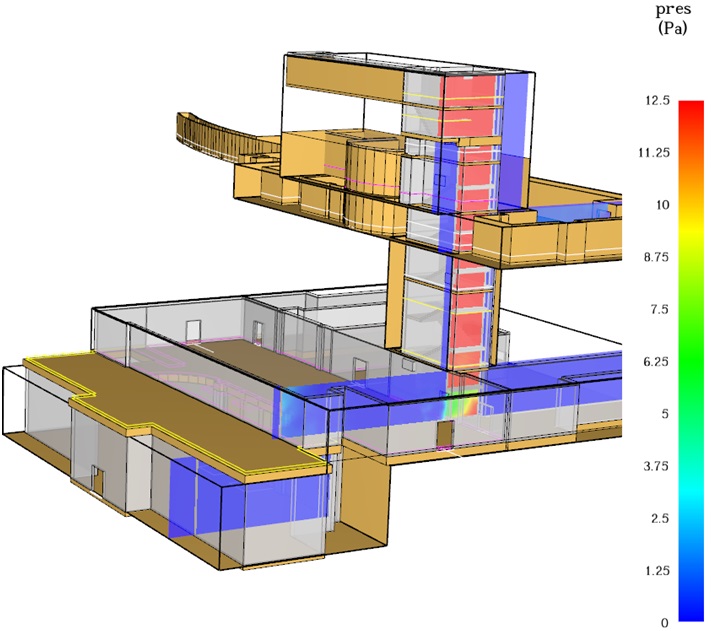
- Staircase Pressurization Simulation
Ensure occupant safety in buildings with simulations optimizing staircase pressurization systems. These simulations help design effective ventilation strategies to prevent smoke ingress and maintain safe evacuation routes during fire incidents.
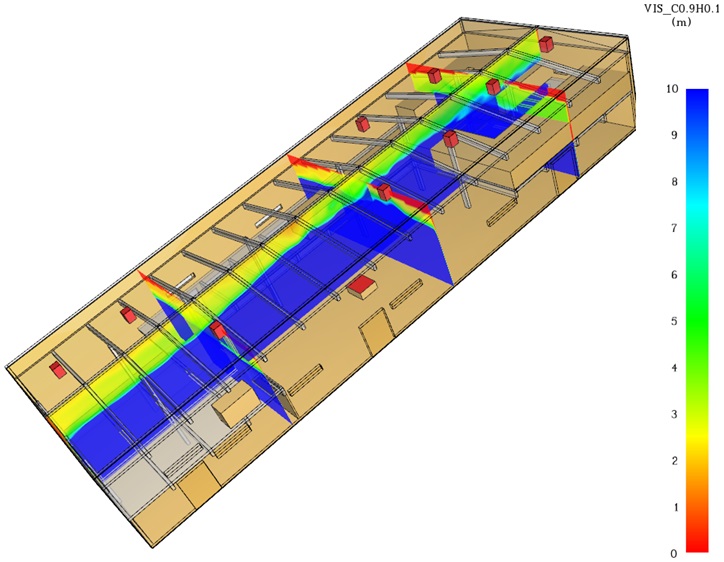
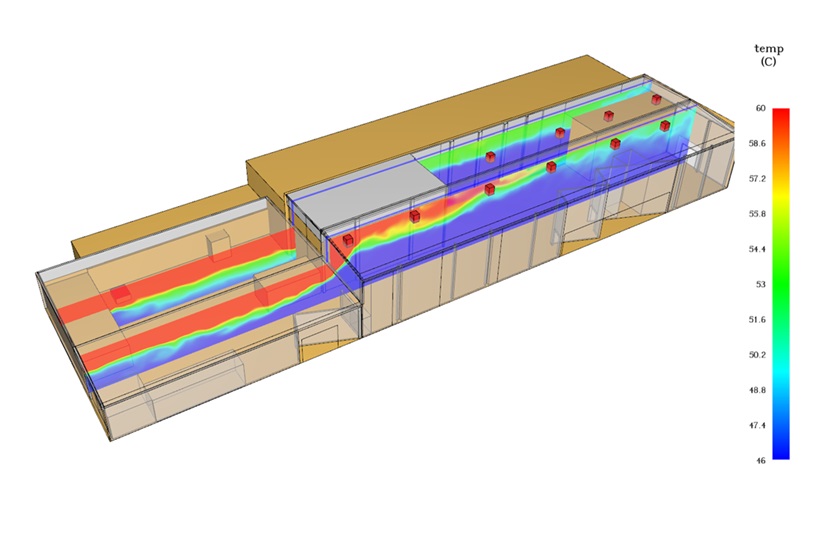
- Warehouse
Maintain product quality and worker comfort in warehouses through simulations optimizing airflow and temperature distribution. Also perform the smoke control analysis in the warehouse complying with the NFPA92 Standard.
- Mechanical Room Simulation
Improve HVAC efficiency and equipment performance in mechanical rooms with simulations optimizing airflow patterns.
- Generator Room Simulation
Optimize ventilation and cooling systems in generator rooms for efficient equipment operation and longevity.
- Data Centre Simulation
Protect critical IT infrastructure with simulations optimizing cooling and airflow for consistent performance in data centers.
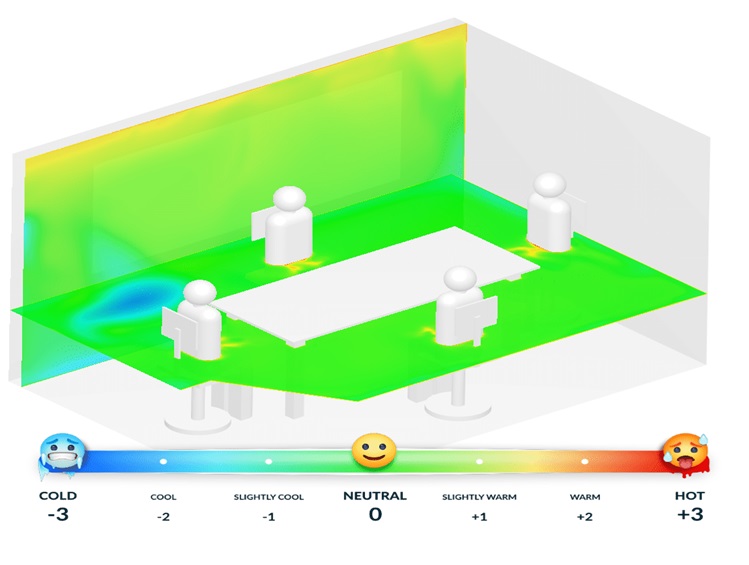
Thermal Comfort Analysis
Thermal comfort is the condition of mind that expresses satisfaction with the thermal environment and is assessed by subjective evaluation (ANSI/ASHRAE Standard 55). Ensuring Thermal Comfort in Commercial and Residential Buildings involves monitoring and regulating specific parameters such as temperature and humidity. ASHRAE 55 and ISO7730 provide certain indices for Thermal comfort (PMV/PPD/EDT/SET).
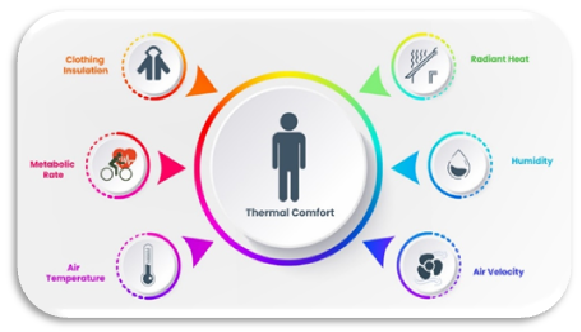
Six primary factors, categorized into personal and environmental factors, directly impact thermal comfort. Personal factors include metabolic rate and clothing level, while environmental factors encompass air temperature, mean radiant temperature, air speed, and humidity. Despite the variability of these factors over time, standards typically refer to a steady state to evaluate thermal comfort, allowing only limited temperature fluctuations.
Why thermal comfort?
- Enhanced Productivity: Optimal thermal comfort boosts occupants' productivity and performance across various settings.
- Health Benefits: Adequate thermal conditions promote occupant health, minimizing the risk of thermal stress and related illnesses.
- Energy Efficiency: Maintaining comfort within a narrow temperature range reduces energy consumption and promotes sustainable building operations.
- Satisfaction and Retention: Comfortable environments lead to higher occupant satisfaction and retention rates in both commercial and residential properties.
- Sustainable Design: Prioritizing thermal comfort aligns with sustainable design principles, creating resilientbuildings.
Thermal Comfort Simulation – Indoor and Outdoor
Achieve occupant satisfaction by optimizing indoor and outdoor thermal comfort parameters with comprehensive simulations. Outdoor simulations are performed with detailed study including the local wind speed, ambient temperature, operating hours and other thermal comfort parameters which are applicable for outdoor cooling.